
Caso Studio: Computer Vision per l'agricoltura di precisione
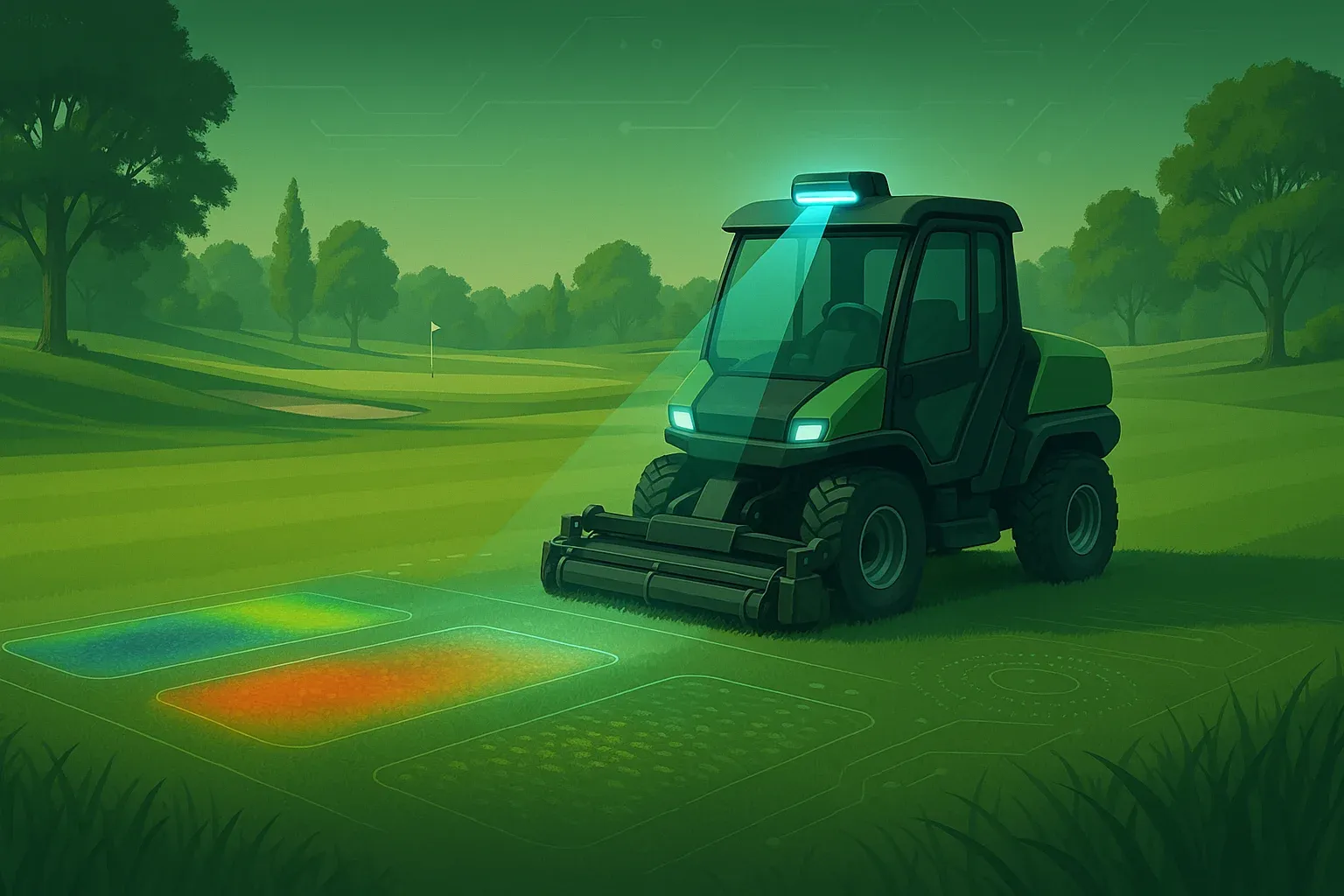
Nel mondo del golf, l'erba non è solo questione estetica. La salute del manto erboso fa la differenza tra un campo da torneo e uno impraticabile. E proprio da qui parte la sfida di uno dei nostri clienti: gestire campi sportivi di alto livello, mantenendo il verde perfetto, ogni giorno dell'anno.
Il problema? Le malattie fungine dell'erba. Invisibili all'inizio, subdole, rapide a propagarsi. Se non intercettate in tempo, rovinano ampie zone di prato, costringendo a costose operazioni di recupero e trattamenti chimici invasivi. E il monitoraggio manuale, affidato all'occhio esperto dei manutentori, spesso non basta. Serve tempo, presenza sul campo e un'agronomia da manuale.
La soluzione Red Lynx: visione artificiale su ruote
Quello che abbiamo fatto è semplice da raccontare, ma potente nei risultati. Abbiamo integrato un sistema di computer vision avanzata direttamente sulle macchine che già percorrono quotidianamente i campi da golf per la manutenzione. Nessun drone, nessuna complicazione: la telecamera lavora mentre il trattorino taglia l'erba, senza cambiare la routine.
L'immagine catturata viene analizzata in tempo reale da un algoritmo AI che riconosce pattern anomali: variazioni cromatiche, distribuzioni irregolari, sintomi precoci di malattie. L'AI distingue tra erba secca e una patologia vera, segnala le aree sospette, e le posiziona su una mappa digitale consultabile dal team di manutenzione.
Abbiamo utilizzato reti neurali convoluzionali addestrate su migliaia di immagini di erba sana e malata, con un sistema IoT leggero ma efficace. Il tutto connesso a una dashboard intuitiva che permette di intervenire in modo mirato.
Quando l’AI scende in campo e fa la differenza
In poco tempo, i benefici si sono fatti notare. Le diagnosi sono diventate più precoci, i trattamenti più localizzati. L'uso di pesticidi e acqua è diminuito, così come i costi di manodopera.
La precisione del rilevamento ha fatto un salto in avanti, riducendo l’errore umano di oltre undici volte rispetto al metodo manuale. In pratica, le aree sospette vengono ora identificate con un margine d’errore minimo, permettendo di intervenire in modo chirurgico.
Gli interventi correttivi si sono ridotti in ampiezza e in frequenza: si lavora su superfici più contenute, con meno materiali e meno sprechi. E tutto questo ha avuto un impatto diretto sulla sostenibilità ambientale del processo. Meno chimica. Meno acqua. Più attenzione e meno improvvisazione.
Una piccola rivoluzione verde, in tutti i sensi.
La voce del cliente
All’inizio il nostro cliente ci ha detto: "È un po’ come inseguire un’ombra: quando ti accorgi che c’è un problema nel prato, spesso è già troppo tardi". Erano abituati a correre dietro ai sintomi, a indovinare più che a sapere. Con il nostro sistema a bordo macchina, qualcosa è cambiato.
È stato come passare dal cercare una malattia a sentirsi chiamare per nome dal campo stesso. Il sistema segnalava, mappava, anticipava. Nessuno più a tentoni.
Ora il team interviene in anticipo, e non solo risparmia sui prodotti e sulla manodopera: lavora meglio, con più serenità. Il campo non è più una fonte di ansia, ma un partner. E la tecnologia? Quasi invisibile. Fa il suo lavoro in silenzio, ma con effetti molto concreti.
Non solo campi da golf: una tecnologia che si adatta
Questa soluzione non vale solo per i prati. La stessa logica può essere applicata per monitorare coltivazioni agricole, serre, campi sportivi, parchi pubblici. Ovunque ci sia un "verde" da proteggere e ottimizzare, la visione artificiale può dare una mano.
E se un campo da golf può essere ispezionato da un trattorino, una vigna può esserlo da un robot agricolo. O una serra da una semplice telecamera fissa. La tecnologia è scalabile. Ed è già pronta.
Perché questo caso fa scuola
Green Illness Detection dimostra che anche in settori apparentemente lontani dalla tecnologia – come la cura dell'erba – si può innovare con intelligenza. Basta avere il problema giusto e la volontà di risolverlo in modo nuovo.
Quello che abbiamo fatto è rendere visibile l'invisibile. Trasformare un processo basato sull'intuito in un sistema oggettivo, continuo, scalabile. E portare l'intelligenza artificiale fuori dalle fabbriche e dentro la natura.
Vuoi scoprire se una soluzione simile può aiutare anche la tua realtà?
Parliamone. A volte è proprio da una semplice conversazione che nascono le intuizioni migliori. Un'esigenza che sembra marginale può rivelarsi il punto d’ingresso per una trasformazione più grande.
Un piccolo ostacolo, se osservato da vicino, può diventare un’opportunità. E magari proprio in quel punto, dove oggi ti affidi ancora a esperienza e intuito, domani può intervenire l’AI, con costanza e precisione. Per questo, ogni confronto può fare la differenza: ascoltiamo, analizziamo, e se c’è spazio per innovare, lo troviamo insieme.
Hai un progetto in mente?
Siamo pronti ad ascoltare le tue idee e trasformarle in soluzioni AI innovative. Contattaci per una consulenza gratuita.
Contattaci ora